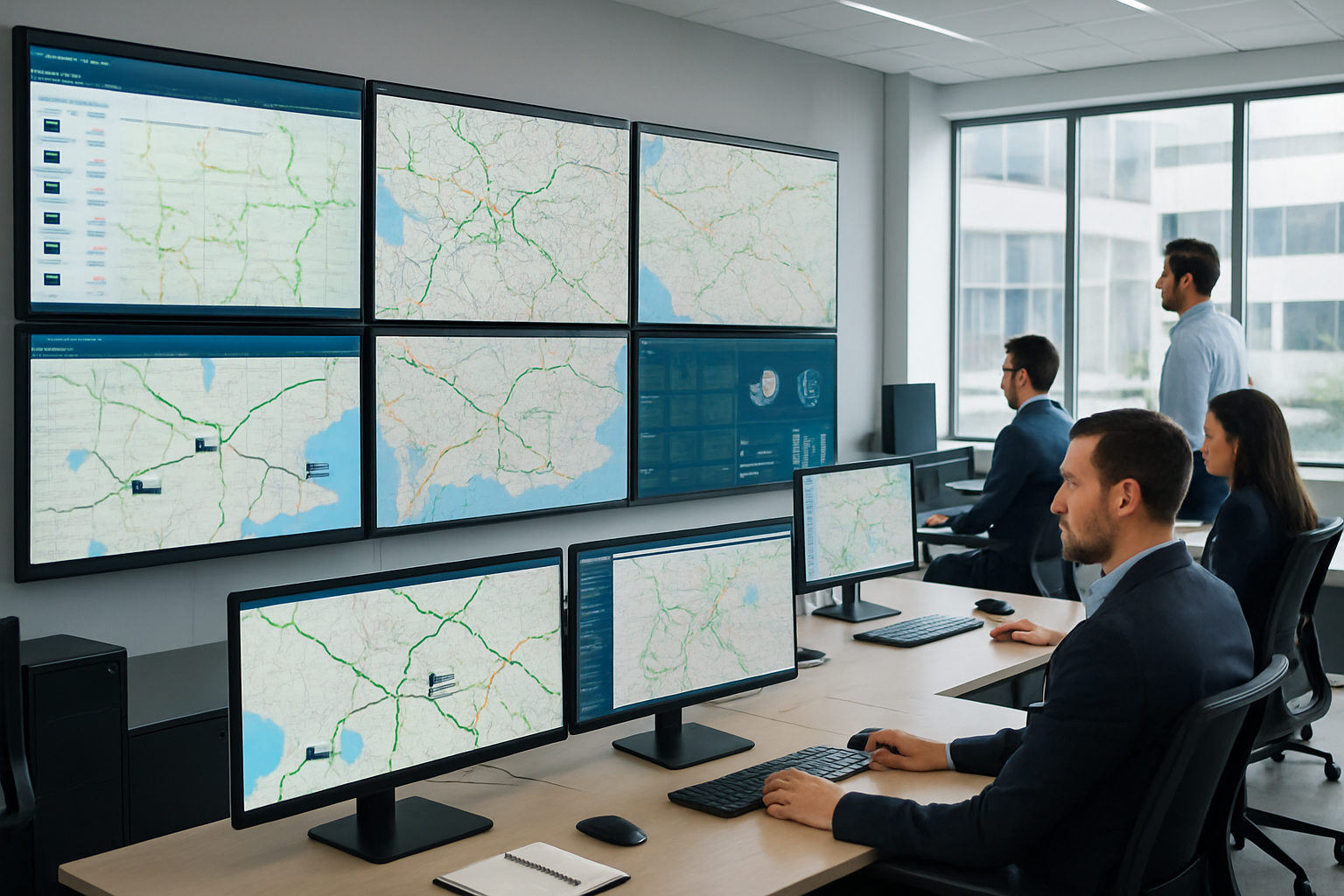
Digitalization has become a cornerstone for transport companies aiming to improve efficiency, reduce costs, and enhance safety. However, despite the many advantages offered by digital transformation, many SMEs make frequent mistakes that limit the benefits of these innovations. In this article, we analyze the most common mistakes in transport fleet digitalization and offer tips to avoid them.\n\n
1. Underestimating the Importance of Suitable Management Software\n
One common mistake is choosing a fleet management system without first assessing the company’s specific needs. Using a generic or poorly scalable solution can result in missing key features, integration problems with other systems, or difficulties adapting to growth.\n
To avoid this, it is essential to conduct a detailed analysis of current processes and short- and medium-term goals. This will help select software that facilitates route control, maintenance, fuel consumption, and timing, among other aspects.\n\n
2. Failing to Properly Train Employees on New Technologies\n
Digital transformation requires the team to be trained to use the tools and adapt to operational changes. Skipping training can cause resistance, errors in software handling, or even increase security risks.\n
Investing in practical and ongoing training, as well as involving employees in the digitalization process, is key to successful implementation and ensuring staff feel comfortable with new technologies.\n\n
3. Ignoring Cybersecurity in Fleet Connectivity\n
Constant connectivity of vehicles and systems increases the attack surface for cyber threats. Without adequate security measures, the company is exposed to data theft, sabotage, or operational disruptions.\n
Adopting cybersecurity solutions tailored for SMEs, such as firewalls, multi-factor authentication, and regular updates, is essential to protect the fleet and critical information.\n\n
4. Not Leveraging Data Analysis for Decision Making\n
Many companies implement technologies that collect data but do not use this information to improve fleet management. This misses the opportunity to optimize routes, anticipate maintenance, or reduce operational costs.\n
Implementing business intelligence systems or customized dashboards allows turning data into useful insights for management, enabling more efficient and proactive operations.\n\n
5. Failing to Plan Digitalization as a Gradual and Sustainable Process\n
Trying to transform the entire fleet and processes immediately and without planning can lead to cost overruns, technical complications, and internal resistance. Digitalization should be approached as an ongoing project that adapts to the company’s reality.\n
Designing a digital roadmap with clear phases, measurable objectives, and periodic evaluations helps ensure an orderly transition with tangible return on investment.\n\n
Practical Tips for Successful Digitalization\n\n- Conduct a preliminary diagnosis to identify weaknesses and opportunities.\n
- Choose tools with a modular approach adaptable to growth.\n
- Train all involved personnel with accessible, practical education.\n
- Implement IT security protocols from the start.\n
- Use data to improve processes and anticipate issues.\n
- Define key indicators to regularly measure digital impact.\n
- Seek external advice if necessary to avoid technical errors.\n
- Communicate benefits and progress throughout the organization to build support.\n
- Plan technological maintenance and constant updates.\n
- Evaluate feedback from drivers and operators to adjust solutions.\n\n\n
Fleet digitalization is not just a matter of technology but also strategy and change management. Avoiding these mistakes will enable transport companies to move toward smarter, more efficient, and safer operations aligned with current industry demands.\n\n
For a deeper understanding of digital tools for business management, you can consult the Wikipedia entry on fleet management, which provides a comprehensive overview of available solutions and their applications.
Fleet digitalization is not just a matter of technology but also strategy and change management. Avoiding these mistakes will enable transport companies to move toward smarter, more efficient, and safer operations aligned with current industry demands.\n\n
For a deeper understanding of digital tools for business management, you can consult the Wikipedia entry on fleet management, which provides a comprehensive overview of available solutions and their applications.